Cart (0)
Your cart is empty
Ube guide
Ube is a purple yam with naturally purple flesh and a sweet vanilla-coconut flavor; taro is a starchy corm with white or cream flesh and a nutty, earthy taste. They are different plants. Many “taro” bubble teas are colored purple, which is why the two are so often confused.

Ube is not taroDifferent plant, different taste
Ube and taro are both starchy roots used in desserts and drinks, but they come from different plants and taste different.
| Ube | Taro | |
|---|---|---|
| Plant | Dioscorea alata (a yam) | Colocasia esculenta (a corm) |
| Flesh color | Lavender to deep violet throughout | White or cream with purple flecks |
| Flavor | Sweet, creamy, vanilla, coconut, nutty | Mild, nutty, earthy, starchy |
| Texture when cooked | Moist, smooth, creamy | Dry, starchy, grainy |
| Origin | Philippines and Southeast Asia | Asia, Pacific and beyond |
| Typical uses | Halaya, lattes, cakes, ice cream | Bubble tea, dumplings, chips, savory dishes |
| Naturally caffeine-free | Yes | Yes |
Cut ube open and the flesh is purple all the way through. Taro is white or cream with small purple specks. Ube skin is rough and brown like bark; taro has a hairy, ringed brown skin and is often rounder.
Ube tastes mildly sweet with vanilla, coconut and nutty notes. Taro is less sweet and more earthy, with a flavor some compare to a nutty potato. In desserts, ube is more aromatic; taro is more of a neutral, starchy base.
Many “taro” milk teas are bright purple because they are colored. Ube milk tea is naturally violet and tastes sweeter and creamier, with vanilla notes. If you want to try it at home, follow our ube milk tea recipe.
Purple sweet potatoes are another look-alike, often sold as “ube” by mistake. They are a different plant (Ipomoea batatas), with thinner skin, a denser texture and a more classic sweet-potato taste. Check the ingredient list of any “ube” powder: it should say ube, not sweet potato.
Not really. Taro will give you a starchy, nutty base without the color or sweetness of ube. For ube recipes, use real ube — or a pure ube powder when fresh ube is hard to find. See ube powder vs ube extract and where to buy ube powder.
Cook with real ube

A soft, naturally purple ube sheet cake with coconut milk and fluffy ube buttercream — easy, one pan.

Creamy, naturally purple ube cheesecake bars on a buttery graham cracker crust — easier than a whole cheesecake.

Creamy no-churn ube ice cream with 5 ingredients and real ube powder — plus a Ninja Creami version.
FAQ
No. Ube is a purple yam (Dioscorea alata); taro is a corm (Colocasia esculenta) with white or cream flesh. They look and taste different.
Ube. It is gently sweet with vanilla and coconut notes, while taro is milder and more starchy.
Often, but the color is usually added. Taro itself is white or cream with purple flecks. Ube milk tea is naturally purple.
No. Purple sweet potatoes are a different plant with a denser texture and a more typical sweet-potato taste.
You can, but the result will be starchier and nuttier, with less color and sweetness. For an authentic ube flavor, use pure ube powder.
You can order Kapsoo ube powder, made from 100% Kinampay ube.
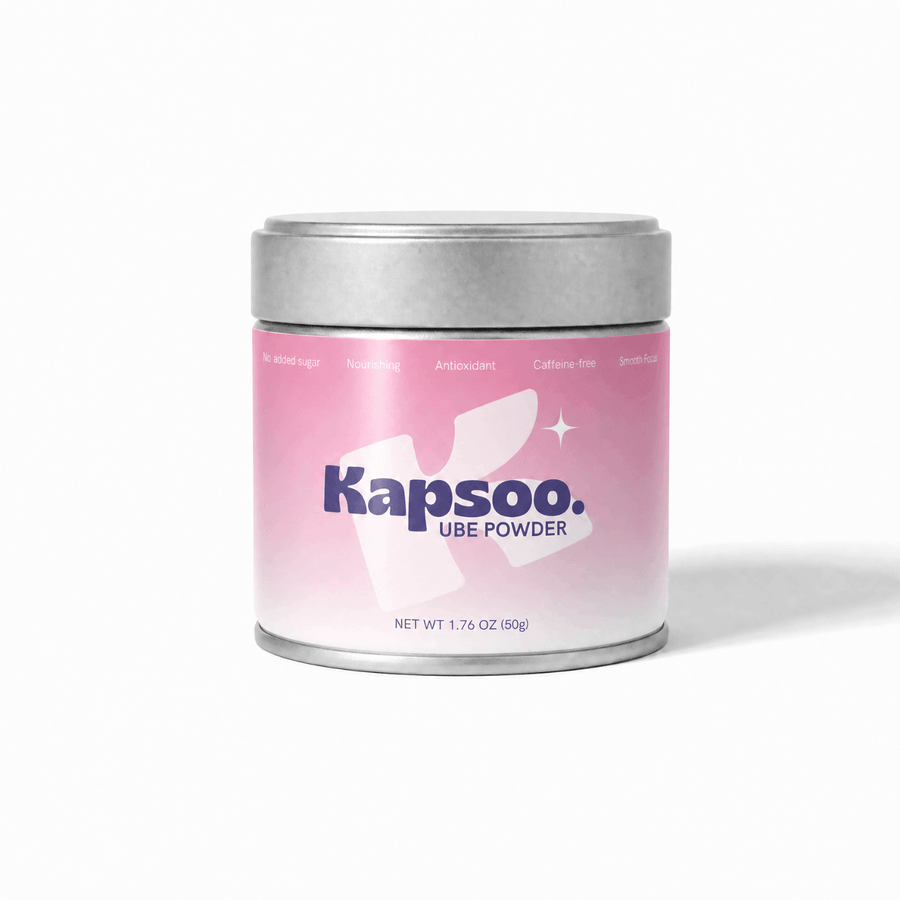
Kapsoo Ube Powder
Pure Kinampay ube powder — sweet, creamy and naturally purple.
$34.90 · Free US shipping on orders over $45